

Floral Design for Malls: Incorporating Seasonal Flowers

When it comes to transforming commercial spaces, few elements have the power to captivate and inspire quite like thoughtfully designed floral installations.
As luxury floral designers here in Los Angeles, we’ve had the privilege of creating stunning seasonal displays for malls and retail centers throughout the area, and I can tell you that the impact of well-executed floral design for malls extends far beyond simple decoration.
Since establishing Flower Gypsies in 2013, we’ve learned that successful mall floral design requires a unique blend of artistic vision, practical considerations, and deep understanding of how seasonal flowers can enhance the shopping experience. These installations aren’t just about beauty – they’re about creating environments that draw people in, encourage them to linger, and ultimately enhance the entire retail experience.
Today, I want to share some insights we’ve gained from years of creating custom floral installations in commercial spaces, particularly focusing on how incorporating seasonal flowers can transform mall environments throughout the year!
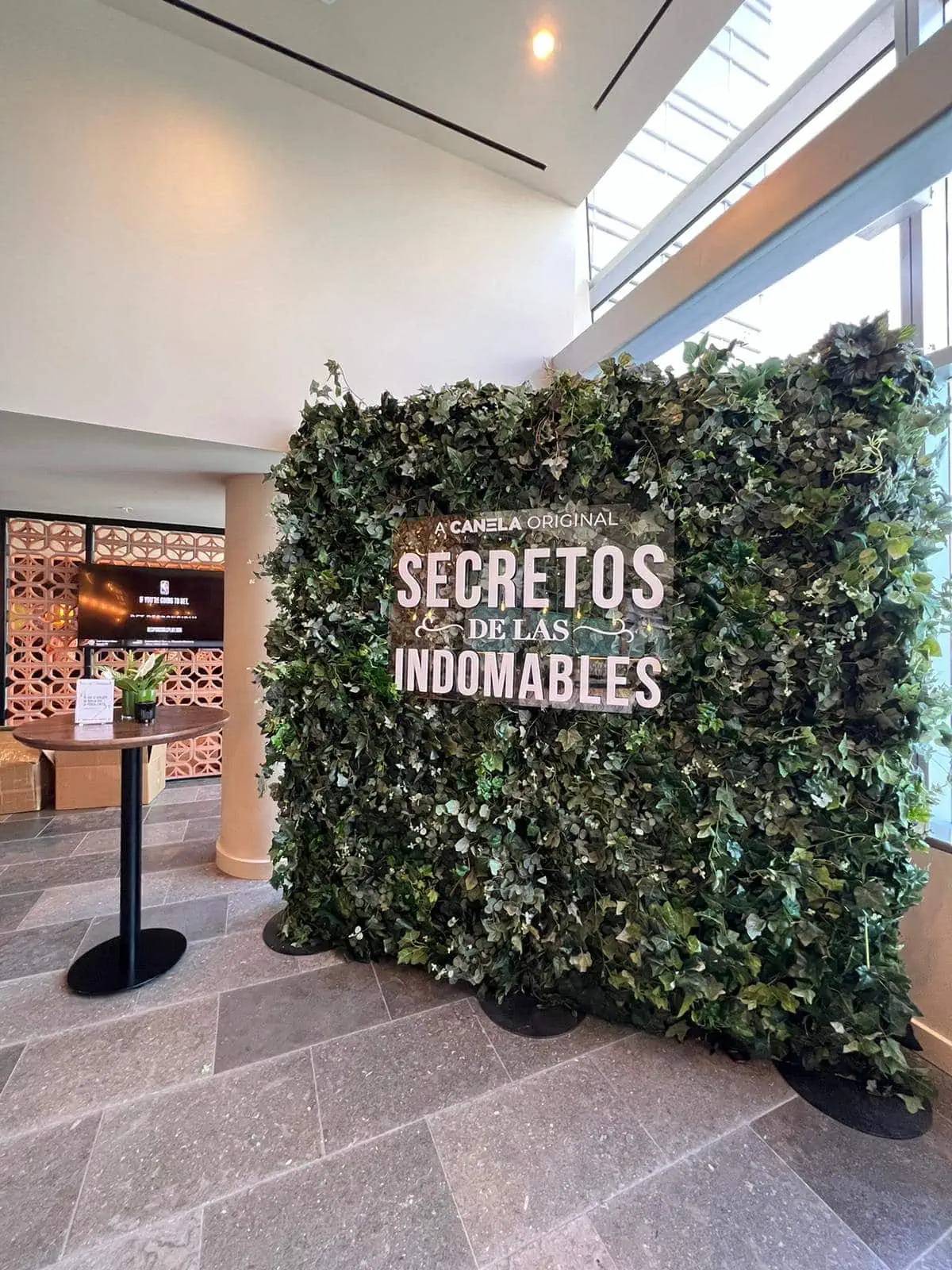
Understanding the Unique Challenges of Mall Floral Design
Designing florals for mall environments presents distinct challenges that require specialized expertise and creative solutions. Unlike residential or even corporate settings, malls are high-traffic, public spaces with specific requirements for durability, safety, and visual impact.
Scale and Visual Impact
Mall spaces are typically large and open, which means floral installations need to be substantial enough to make an impact without being overwhelmed by the architecture. The scale of these environments requires thinking beyond traditional arrangements to create installations that can hold their own in expansive spaces.
We often work with dramatic vertical elements, large-scale installations, and bold color palettes that can be appreciated from multiple viewing angles and distances. A small centerpiece that might be perfect for a restaurant table would be completely lost in a mall atrium, so every element needs to be considered in terms of the space it will occupy.
Durability and Maintenance
High-traffic commercial environments demand floral designs that can withstand constant exposure to crowds, air conditioning systems, and varying light conditions. This influences everything from flower selection to installation methods, requiring us to choose varieties that maintain their beauty longer and design structures that can handle the demands of a busy retail environment.
We’ve learned to work with flowers and foliage that not only look stunning but also have the stamina to remain beautiful throughout their display period. This often means selecting varieties with stronger stems, longer vase life, and resistance to environmental stressors.
The Art of Seasonal Flower Selection for Commercial Spaces
Incorporating seasonal flowers into mall installations requires careful consideration of availability, longevity, and visual impact. This is one of the most exciting things about floral design – each season offers unique opportunities to create installations that feel fresh, relevant, and connected to the natural world outside.
Spring: Renewal and Fresh Beginnings
Spring installations in mall environments celebrate renewal and the excitement of new beginnings. This season offers an abundance of flowers that work beautifully in large-scale commercial installations. Tulips, daffodils, cherry blossoms, and peonies provide the fresh, vibrant energy that shoppers crave after winter.
For mall installations, we often incorporate flowering branches like cherry, apple, or forsythia to add height and drama to displays. These elements create stunning vertical interest while providing the scale needed for large commercial spaces. The key is balancing the delicate beauty of spring flowers with the bold impact required for mall environments.
Color palettes for spring mall installations typically feature soft pastels balanced with fresh greens and whites. These colors feel optimistic and welcoming while maintaining the sophistication expected in upscale retail environments. We might incorporate soft pinks, lavenders, and yellows that evoke the season without being overly sweet or childish.
Summer: Bold and Vibrant Energy
Summer floral design for malls allows for more dramatic color palettes and tropical influences that reflect the energy of the season. This is when we can incorporate bold sunflowers, vibrant dahlias, exotic orchids, and lush tropical foliage that creates a sense of escape and vacation.
The abundance of summer flowers provides opportunities for creating installations that feel luxurious and abundant. We might design cascading arrangements that incorporate multiple flower varieties, creating layers of texture and color that draw the eye and create Instagram-worthy moments for shoppers.
Summer installations often benefit from incorporating elements that suggest coolness and refreshment – perhaps installations that incorporate water features or designs that evoke tropical gardens. These elements provide psychological relief from summer heat while creating memorable experiences for mall visitors.
Fall: Warmth and Sophisticated Elegance
Autumn offers perhaps the richest palette for mall floral installations, with deep burgundies, warm oranges, golden yellows, and rich browns that create sophisticated, welcoming environments. This season allows for incorporating elements like branches with changing leaves, berries, and flowers in jewel tones that feel both elegant and seasonal.
Fall installations often work beautifully with more textural elements – incorporating things like wheat, dried grasses, and seed pods that add interest and longevity to displays. These natural elements can be combined with fresh flowers to create installations that feel both current and timeless.
The key to successful fall mall installations is balancing the richness of autumn colors with the clean, modern aesthetic that most retail environments require. We achieve this by using autumn colors in sophisticated ways – perhaps deep burgundy dahlias with gold accents rather than the more obvious orange and brown combinations.
Winter: Elegance and Festive Sophistication
Winter floral design for malls requires creating warmth and beauty during the season when fresh flowers are most limited. This is when we rely heavily on evergreen elements, winter berries, and flowers like amaryllis, poinsettias, and winter roses that thrive in cooler conditions.
Winter installations often incorporate metallic elements – gold, silver, or copper accents that add glamour and reflect the holiday spirit without being overly themed. The goal is creating installations that feel festive and elegant while maintaining broad appeal throughout the winter season.
We often work with white and cream flowers during winter, creating installations that feel clean, elegant, and sophisticated. These neutral palettes work beautifully with evergreen elements and metallic accents, creating displays that feel both seasonal and timeless.

Practical Considerations for Mall Floral Installations
Beyond the artistic elements, successful mall floral design requires careful attention to practical considerations that ensure installations remain beautiful throughout their display period.
Installation and Maintenance Logistics
Installing floral displays in active retail environments requires careful coordination with mall management and consideration of shopping hours, delivery access, and maintenance schedules. We typically install during off-hours to minimize disruption to shoppers and retailers.
Maintenance schedules need to account for the high-visibility nature of mall installations. Unlike private events where flowers only need to look perfect for a few hours, mall installations are on display for extended periods and require regular attention to maintain their beauty.
Working with Mall Management and Retailers
Successful mall floral installations require close collaboration with property management and individual retailers to ensure designs complement rather than compete with the retail environment. This means understanding the mall’s overall aesthetic, seasonal marketing themes, and the needs of individual tenants.
We often work with mall marketing teams to ensure our installations support their promotional activities and seasonal campaigns. This collaborative approach ensures that floral installations enhance the overall retail strategy rather than simply serving as decoration.
Sustainability in Commercial Floral Design
As environmental consciousness grows, incorporating sustainable practices into mall floral design has become increasingly important to us. This includes choosing locally sourced flowers when possible, designing installations that minimize waste, and selecting varieties that have longer display lives.
Local and Seasonal Sourcing
Working with seasonal flowers isn’t just about aesthetic appeal – it’s also about sustainability. Seasonal flowers are typically more readily available locally, reducing transportation costs and environmental impact while ensuring better quality and longevity.
Here in Los Angeles, we’re fortunate to have access to incredible local flower farms that provide fresh, seasonal blooms year-round. Incorporating these local flowers into mall installations creates connections to the local community while supporting sustainable practices.
Designing for Longevity
Creating installations that maintain their beauty longer reduces waste and provides better value for clients. This means selecting flower varieties known for their longevity, using proper conditioning techniques, and designing installations that age gracefully.
We often incorporate elements like high-quality silk flowers or preserved materials in areas where fresh flowers might not be practical, creating hybrid installations that maintain beauty while reducing maintenance requirements.

Final Thoughts
As retail environments continue to evolve, floral design for malls is adapting to meet changing needs and expectations. This includes incorporating technology, sustainable practices, and interactive elements that enhance the shopping experience.
Incorporating seasonal flowers into mall floral design is both an art and a science, requiring creativity, technical expertise, and deep understanding of commercial environments. When executed thoughtfully, these installations transform retail spaces into destinations that people want to visit, explore, and remember.
Ultimately, the key to success lies in balancing artistic vision with practical considerations, creating installations that are both stunning and sustainable. Whether working with the fresh energy of spring blooms, the bold beauty of summer flowers, the rich elegance of autumn displays, or the sophisticated simplicity of winter installations, the goal is always the same: creating environments that enhance the human experience and celebrate the natural beauty that connects us all.
As we continue to evolve our approach to commercial floral design, we remain committed to creating installations that not only meet our clients’ needs but also contribute to more beautiful, sustainable, and engaging retail environments for everyone to enjoy!
Ready to transform your commercial space with stunning seasonal floral installations? Contact Flower Gypsies in Los Angeles to discuss custom floral design solutions for your mall or retail environment.


